





Indemnity clauses in design and construction contracts
An indemnity clause in a contract allocates risk for claims or for loss or damage between the parties to the contract, so that if one party suffers a loss, the other party will reimburse them. Indemnities are primary obligations that remain even if the contract is set aside.
Indemnity clauses are commonly used on construction projects to allocate risk between; the client and contractor, the client and consultants or the contractor and sub-contractors. In complex contracting situations indemnity clauses may run throughout the contractual chain.
Construction contracts may, for example, include a clause requiring the contractor to indemnify the client against expense, liability, loss or claim in respect of personal injury or death of any person arising out of the works. Or they may require the contractor to indemnify the client against breaches of contract such as non-payment of statutory fees. In addition, designers appointment agreements may include an indemnity in respect of claims for breach of professional duty.
Typically, designers are required to hold professional indemnity insurance to cover such a liability and this requirement is now increasingly asked of contractors with design responsibilities. (See Legal indemnities for a list of other situations where insurance can indemnify against losses).
Performance bonds and parent company guarantees may also include indemnity clauses requiring the surety to indemnify the client against default by the contractor.
The precise consequences of an indemnity clause will depend on its wording and how it is read in relation to the rest of the contract. One particular area where differences can be significant is whether a clause requires an indemnity only against losses caused by the party providing the indemnity, whether they exclude negligence on the part of the indemnitee, or whether they cover all losses no matter how they were caused. For example, a professional indemnity insurance policy is not dependent on allocating blame to the indemnifier.
Because of these differences, and in order to accurately define the extent of losses covered, indemnity clauses require very precise drafting, and due to complex case law they are becoming increasingly detailed. It is important therefore that the parties to a contract read indemnity clauses carefully and fully understand the obligation they are agreeing to.
[edit] Related articles on Designing Buildings Wiki
Featured articles
Check out some of the best features and news from Designing Buildings as well as key stories from around the web.
Construction Management, 8 July

NEETs crisis drives interest in trades, but apprenticeships barriers remain.
Passive fire protection webinar

MEP services penetration seals.

Where its at podcast (and video) - The role of the Architectural Technologist as an Expert Witness.
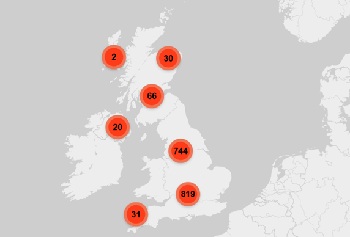
More than 200 remarkable buildings added to SAVE’s Buildings at Risk register.

Government scraps pre-application consultation for Nationally Significant Infrastructure Projects.
Historic England and infrastructure

New projects offer opportunities for the historic environment and local communities.
Construction Management, 2 July

Construction deaths halve in two years.
Green Book changes to drive investment in all parts of UK.
Minimum energy efficiency standards (MEES)

CIAT briefing on response to consultations for privately rented non-domestic properties.
Connect, collaborate, shape the future

Registration now live for UK Construction Week Birmingham.

CIOB announces Saul Humphrey FCIOB as new President for 26/27 term.

A quick, simple, and zero-bills solution to prevent overheating.